SHERIFF CHARLES FLETCHER DUPONT, KEY WEST FLORIDA
Special by THE NEW TIMES HOLLER!
From the Enduring Ties Desk by
© Amir Bey, 2009
September 21, 2009
|
Climbing the family tree can be an ever evolving journey from the known to the intangible, which if found, will answer some of the
questions that the known asked.
I've been interested in my family's history for some time, and during the early 1970s I became inspired by Alex Haley's search that lead to his "Roots". I started by interviewing those grandparents of mine who were still alive, and asking my father, Romeo Cherot, to assist by interviewing his Aunt Naomi (Aunt Nay). The journey up the DuPont Shackleford Cherot branches of my tree began with the
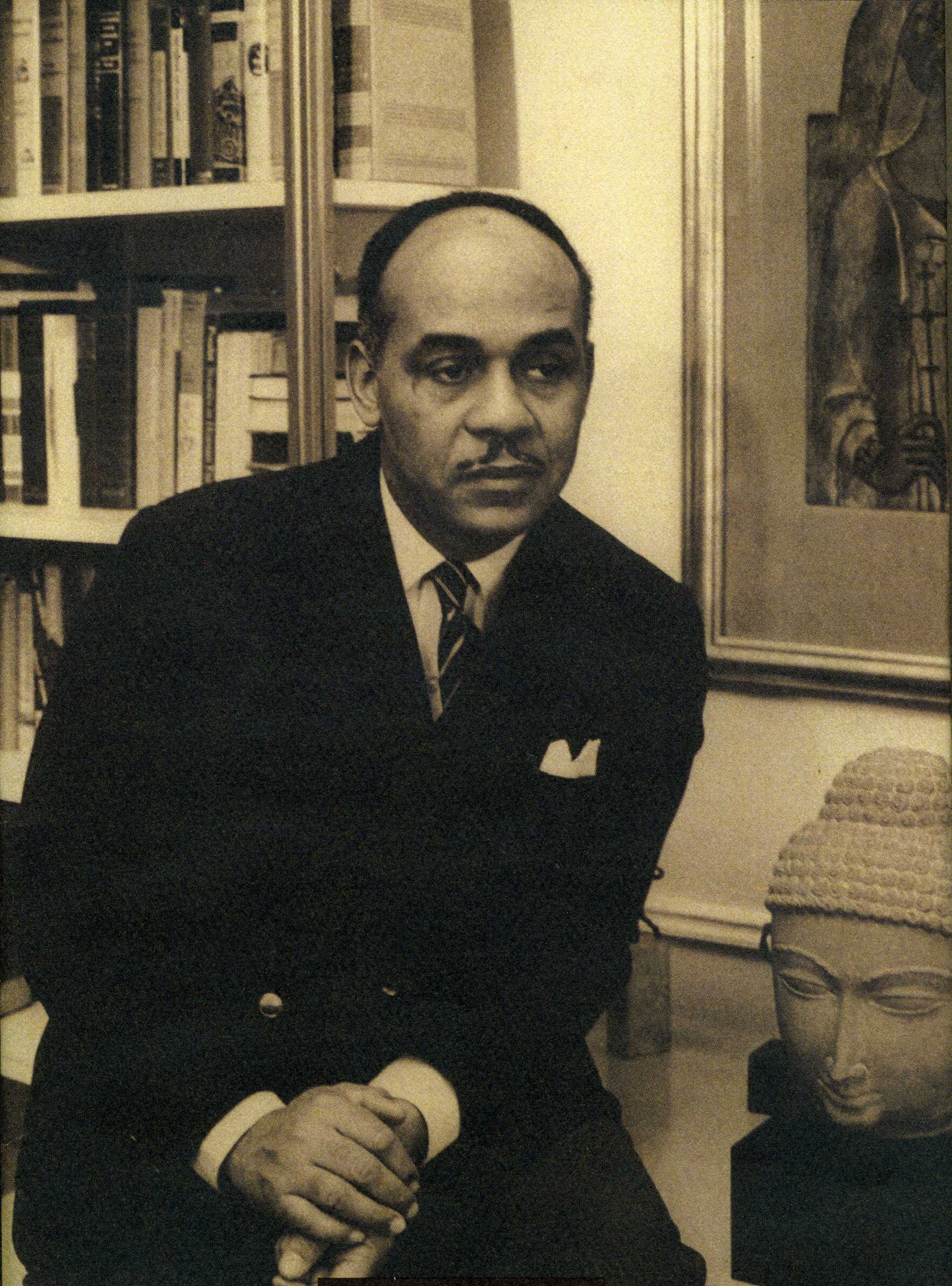
fascinating two photographs that my Aunt Juanita had of unknown ancestors, of a young man wearing a stylish mustache, the other of him decades later with a family.
|
SHERIFF CHARLES F. DUPONT, KEY WEST, (Monroe County) FLORIDA, 1861-1938.
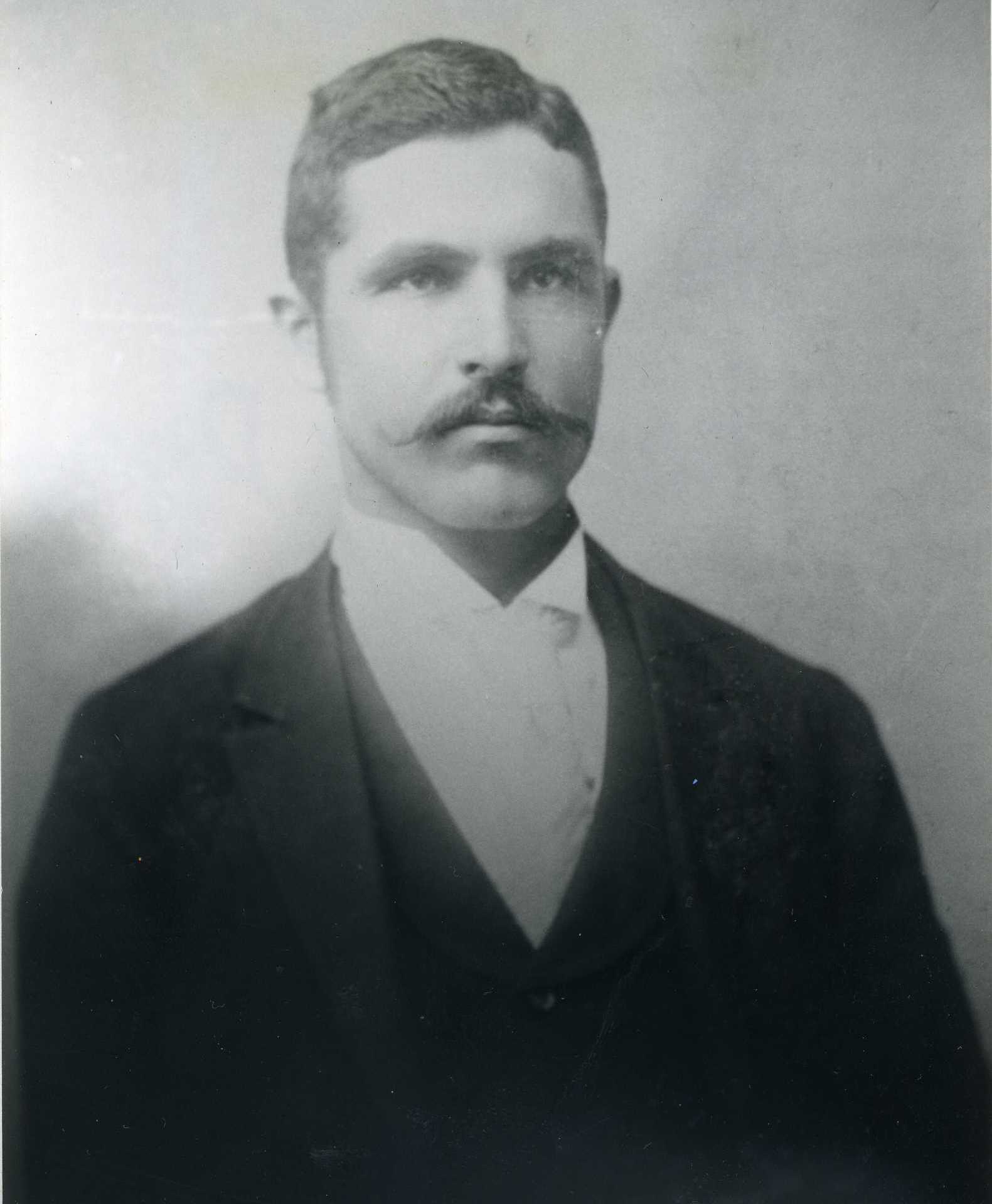
Dupont was the first popularly elected African American sheriff of Key West, Florida. This photo might have been taken around the time he was elected in 1888 when he was 27.
|
|
I'd always heard about my great-granduncle Charles DuPont, the
"first black sheriff of Key West", and I'd also heard about a distant branch, the Shacklefords (or Shackelfords?), and figured that the people in the photos were them. I'd even heard that the Shacklefords may have been
rustlers. Well, Aunt Nay blew that away. "No, they were fine people!" Sometime later, in my search for information on Charles DuPont, a local historian in Monroe County (Key West is the county seat) sent me
a photo that turned out to be the family photo, which was of Charles DuPont and his family. The once living had become alive again.
The 1880s was one of the most difficult times for African Americans in this country. The momentous gains of
the Reconstruction era were being beaten back, and black elected officials, educators, voters, and hard working landowners were under seige.
People were driven out of office, denied the right to vote, forced to a new form of bondage: sharecropping, and with the increased activities of night
riders, lynchings reached their highest point save for the 1920s.
However there were exceptions, and it should be remembered that there
have always been bright moments in African American history. My greatgranduncle, Charles Fletcher Dupont, the son of freed slaves, Rome Dupont and Amanda
Shackelford,in 1888 become the first poplularly elected African American sheriff of Monroe County, Florida, and served from 1889 to 1893 in Key West.
The first African American to serve as sheriff of Monroe County was James A. Roberts, who served from 1877-1880. DuPont was able to take advantage of the confusion of the more
conservative Democratic Party there during that election, which otherwise was increasing its hold throughout the South. Another African American, James Dean, won election
as judge, but was later removed under charges of malfesance because he granted a marriage license to a mixed couple, which was "illegal" at that time. Jeb Bush when he was governor re-instated him posthumously. It is interesting how some sources do not mention James by name, and how some present-day sources
do not include photographs of DuPont or mention the historic importance of his election. The website of the Monroe County Sheriff's office shows the photos of every sheriff beginning with DuPont.
In his most notable act as sheriff that showed personal courage, on June 3, 1891 Charles DuPont was ordered by Circuit Court Judge Mitchell to bring two pro-Spain Cubans, Emilio Garcia and Jose Rodriguez to Tampa for trial. Garcia and Rodriguez were charged with the murder of anti-Spain Jamie Mira of Key West.
The murder had caused a sensation in Key West because at the time, anti-Spain Cubans, then called Revolutionistas who lived in Florida were against Spain’s control over the island. Garcia and Rodriguez were pro-Spain, and the Revolutionistas feared that if the trial was held in Tampa,
Garcia’s home, the men would get off. When the ship for Tampa was due to leave a large crowd gathered at the jail to protest and to attack them. Sheriff DuPont, concerned about the safety of his prisoners kept them in Key West to avoid a lynching. The two men would eventually be tried four times before they were found innocent.
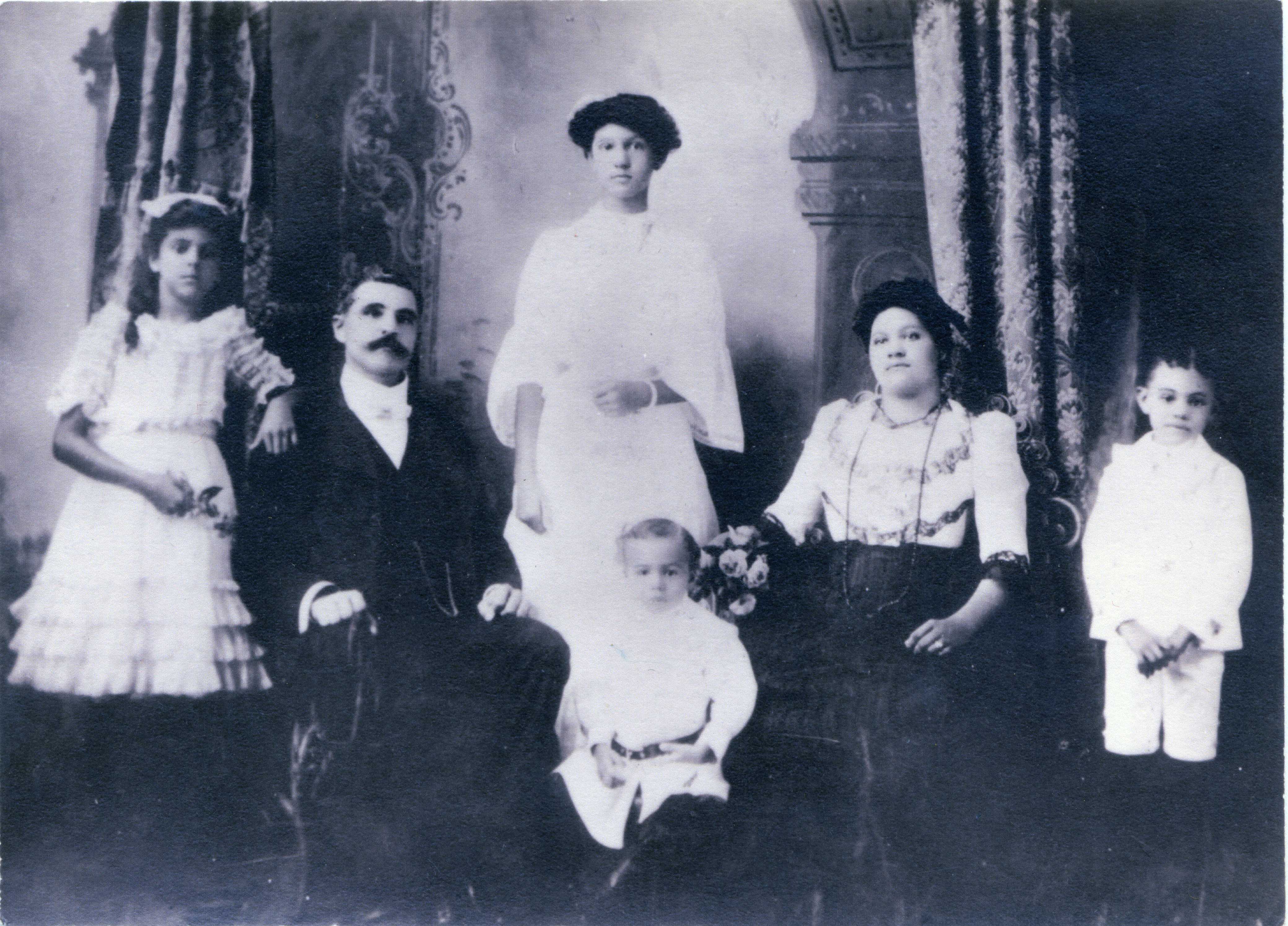
Charles F. Dupont with his family, circa early 1900s.
|
From left, Illma, Dupont, Cleo, Ira (the toddler), wife Ida, Charles Jr.
|
CHARLES DUPONT'S PARENTS
| |
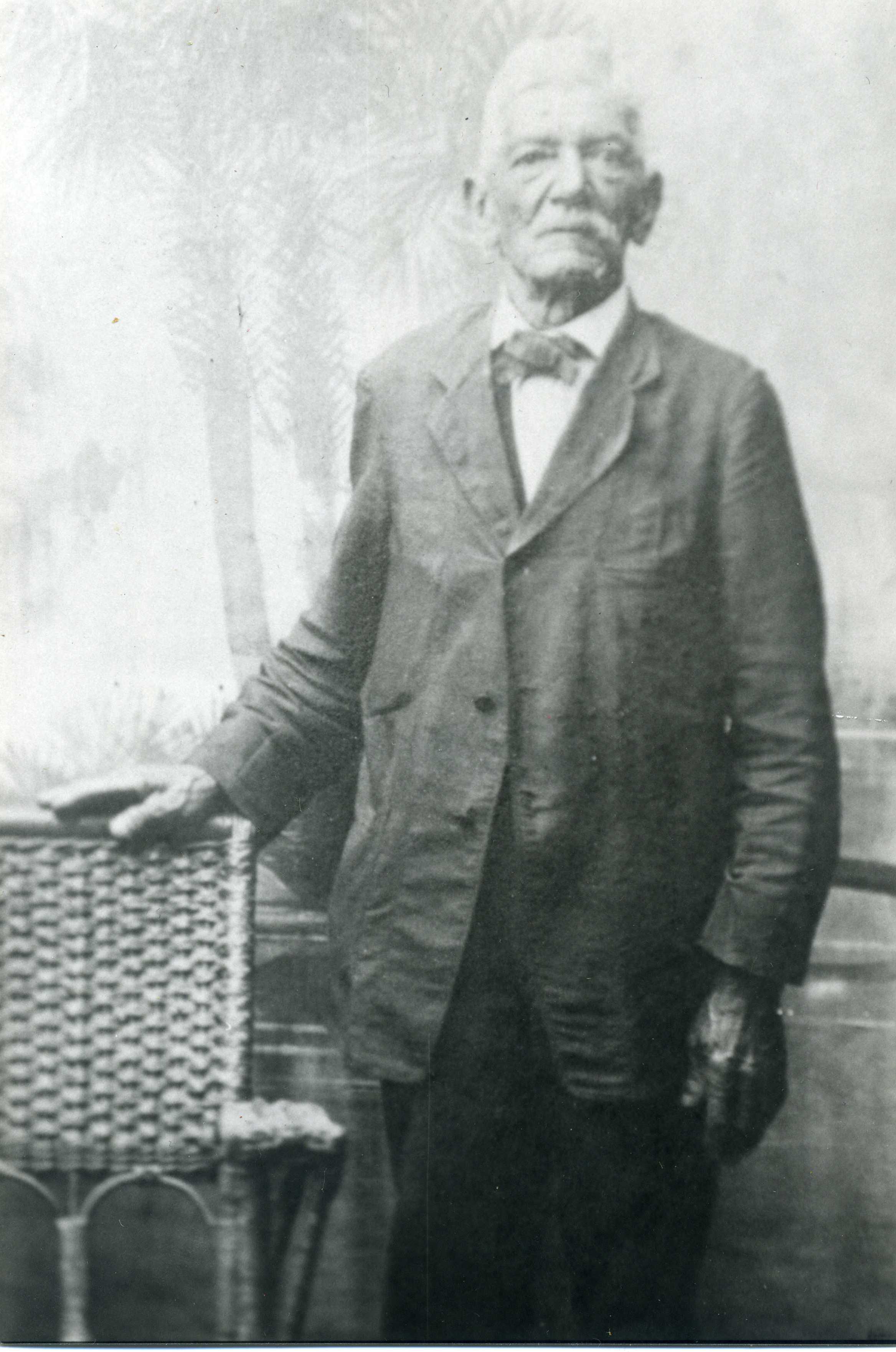
Romeo "Rome" Dupont, b. 1833, a freed slave possibly born in St. Augustine, Florida, who was a skilled carpenter
|
|
|
|

Amanda Shackleford Dupont, also born a slave in Missouri, August, 1844
|
Charles Dupont's parents were both born slaves. There are conflicting accounts of his father Romeo's origins. His Niece, Naomi Cherot, in an interview with her nephew Romeo Cherot (my father) in 1974 said that he "was a freed slave with a pass in his pocket and married my grandmother. They went down the river [The Missippi]..." |
The Origins of DuPont's Parents
|
This differs from another online account which says that Charles Dupont was born a slave and learned carpentry from his father. I don't agree with what's on his death certificate, that he was born on September 3, 1868; I agree with his age stated in the 1880 census, and I doubt he would have been elected as sheriff at the tender age of 20.
So I tend to reject the death certificate date for the September 3, 1861 date in Tampa. We are still seeking an answer to these two different accounts; Naomi Cherot (Aunt Nay) was correct about other details of the family history. Nevertheless, Charles DuPont's election
and subsequent activities are remarkable for the time he served and carried them out. His father Rome (Romeo) had a reputation for being a skilled carpenter although illiterate, who devised his own "language" for his designs.
Slavery and race relations in Key West was an anomoly when compared to the rest of the south.
It was cosmopolitan, with an ethnic and international diversity that didn't suffer from segregation; a federal naval port that was in proximity to many kinds of people and was close to the Carribean. The conflicts between Cubans and Spain for Cuban independence forced thousands of Cubans to leave the island with many settling in Key West. They formed influential political groups, had newspapers and became involved in local politics.
They also affected the economy of Key West and the rest of Florida by establishing cigarmaking plants, thereby creating jobs. Many people from the Bahamas also settled there, and it is partly due to
Bahamian and Cuban support that Dupont was elected.
Until there new documents that help to clarify the picture, here are known facts and some questions about Charles's parents.
Rome DuPont was born, according to the Florida State census of 1885, in Key West in April 1833, it seems that was an error by the census taker,
and there are indications that he was born in St. Augustine; the 1833 date is confirmed by
other censuses, but not by all. In that census he states that his parents were born in St. Agustine, FL. However, it could be that they
were from St. Augustine. DuPont is a common French name, but in Florida at that time, there was a DuPont family
from South Carolina, proprietors of large tracts of land with many slaves in the area of St. Augustine.
In all of the censuses, Rome was listed as "Mulatto", which in those days could have meant that he was "Mixed",
and not necessarily of bi-racial parents. In the 1850 census, there was a Feebe DuPont, a free mulatto with several
children in St. Augustine; she was 21 years older than Rome, and listed her place of birth as South Carolina. Could she
have been related to those DuPonts, and possibly a kin? Abraham DuPont, the patriarch of that family,
who had 9 (white) children at his death in 1857, listed the names of all 169 of his slaves with none having the name "Rome".
Rome DuPont is first listed as Romeo in a bill of sale registered in the Hillsborough County Clerk's Office with his mother, Fanny (26 years), and sister Delia, when they were sold for $525 by William Cooley to Thomas P. Kennedy on May 18, 1842. There is also much detailed information about Romeo, his demand as a house and furniture carpenter in Tampa (see Tampa Before the Civil War, Canter Brown, Jr. pg. 126), he embarked on an expedition up the Peace River with Tampa notables as a cook on April 26, 1860, which confirms that he was not free at that time, and may not have been when he married Amanda Shackelford;
and his and his family's freedom from slavery by Union soldiers in May of 1864, and were relocated to Key West: "Within less than one decade at Key West, he possessed property worth at least $600 and had emerged as a political and community leader.” Canter Brown Jr. and Larry Eugene Rivers, For a Great and Grand Purpose: The Beginnings of the AMEZ Church in Florida, 1864-1905 (Gainesville: University Press of Florida, 2004), p. 18.
He is mentioned in the 1870 census in Key West, with his wife Amanda, son Charles and Amanda's brother James in the household. When might Romeo "Rome" DuPont have been freed? Charles's birthdate is given as September 3, 1861 in Tampa. Tampa was in Confederate hands throughout the Civil War. What was the DuPont family doing in Tampa at that time? There were several attacks on Tampa by Union forces then, none of them successful. His carpentry skills were certainly of use to build housing and docks for that port town.
Rome states that he was married in
1860, but where, Missouri or Florida? Was it a "slave" marriage and not recorded? Was he a slave who was hired out for work in Missouri as he was in the Peace River expedition, and met Amanda at that time? If so, how would he have been able to to buy her freedom and bring her to Florida? Who was Romeo's father?
On each census he gives different places of birth for his parents. Some say France, some Virginia, St. Agustine, etc. Abraham DuPont spoke French, and some of his relatives may have also.
BRANCHES
AMANDA SHACKLEFORD'S SIBLINGS
| |
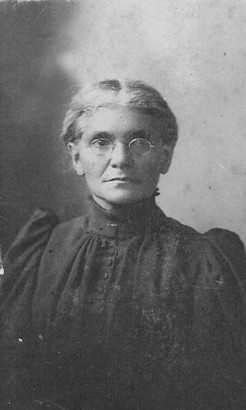
Elizabeth Shackleford Simpson, Amanda's sister
|
|
|
|

Thornton Baker, Amanda's brother
|
|
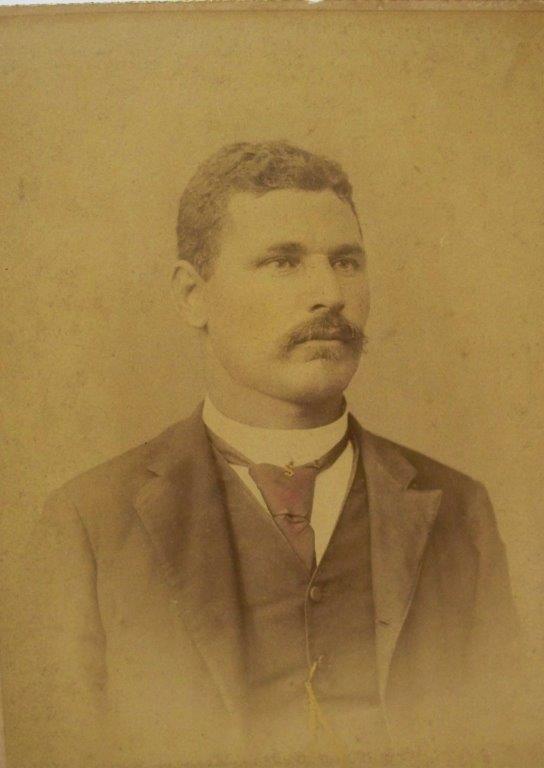
James R. Shackelford, (1851-1906). A younger brother of Amanda, he is the only Shackelford who settled in Key West. He had over 6 children.
|
|
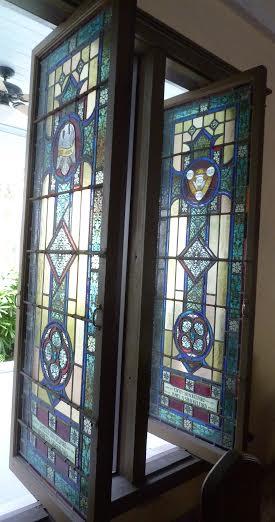
Phipps, Ball, & Burnham Studio, 1920
7'2"x29 1/2"
Amanda's brother James became a prominent member of the Key West community. After his passing, his surviving children had these two high-quality stained glass windows installed at St. Paul’s Episcopal Church in Key West. |
DEDICATIONS OF WINDOWS
| |
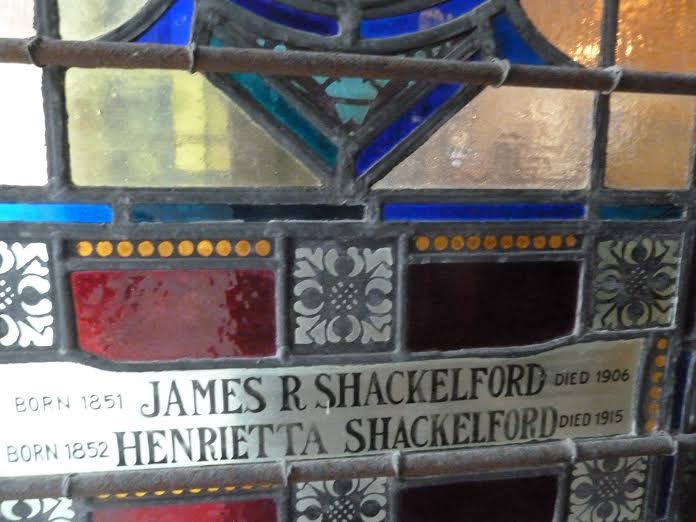
James R. Shackelford and his wife Henrietta. The windows give their years of birth and passing. The church has information about them, including date of birth, and his approximate arrival to Key West. He is listed in the 1870 Census.
|
|
|
|
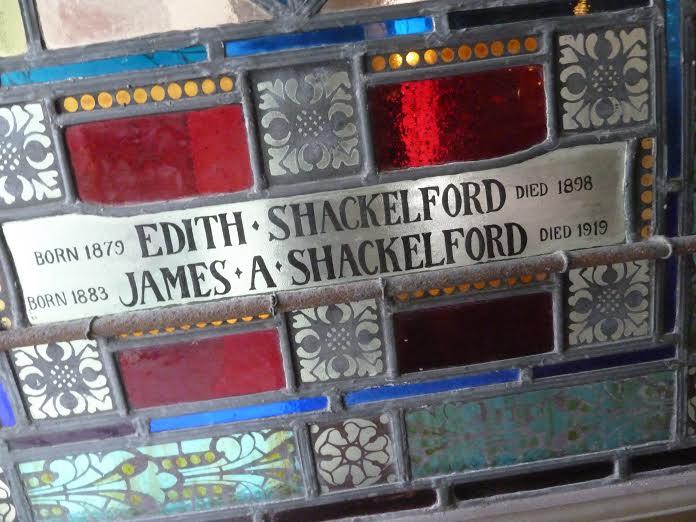
A window for two of their children, both passing before their siblings, with daughter Edith passing at age 19 before her parents.
|
These three, along with Amanda were born slaves in Boone County, Missouri. According to records researched by my cousin Derrick Wilson, "I do know that slavery in Boone County MO ended around July and August 1865. Elizabeth Shackelford Simpson [his ancestor and Amanda's sister] stated: FREEDOM August 11 1865."
That would imply that older sister Amanda was married and possibly free at least four years before
her siblings back home in Missouri.
Thornton's name was passed down to two nephews: his niece, Fannie DuPont Cherot (see below) named her youngest son, Thornton Cherot after him, and he in turn named his son Thornton ("Tony") Cherot.
DuPont's sister Fannie Elizabeth and her husband, Baldomaro Cherot:
My greatgrandparents
| |
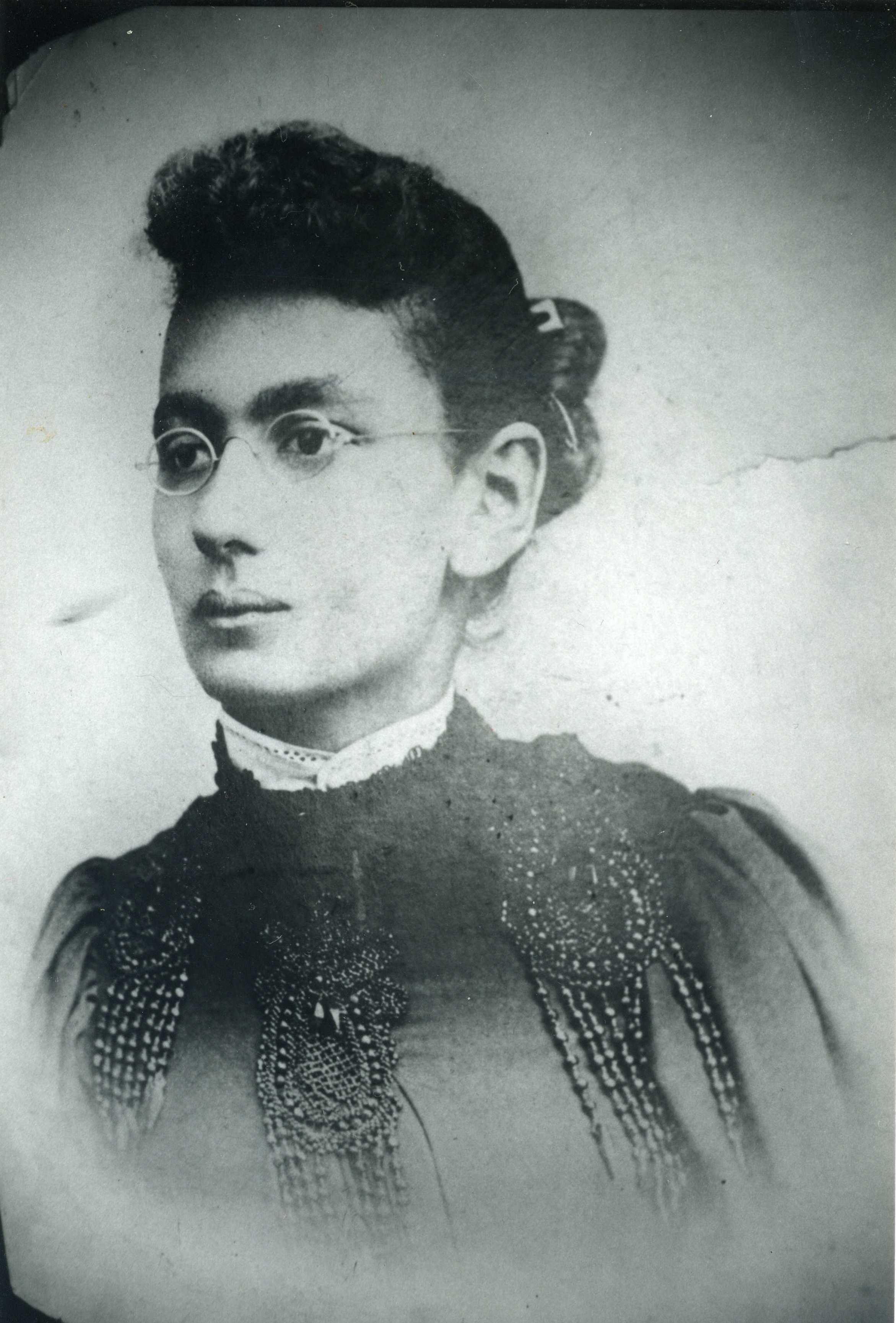
Fannie Dupont Cherot, b. January, 1872, in Key West; she was named after Romeo Dupont's mother Fanny.
|
|
|
|

Baldomaro Cherot, b. 1867; a sailor from Guayaquil, Ecuador, he sailed in many parts of the world before settling in Key West
|
Fannie Dupont Cherot and her husband, Baldomaro Cherot illustrate the unique social situation of Key West. Fanny, a native of Key West and classified as Black in the 1900 census, married Baldomaro, an Ecuadorian of Quechua and possibly French and/or Spanish descent, was a former sailor who spoke Quechua, Spanish, Portuguese, French,
and little English. Consistent with the inconsistencies of racial categorizations, he was listed as Black in another census; Black by marriage?!
Before arrving in Key West, Baldomero settled in Havana and was no longer a sailor. It is presumed he learned the craft of cigar-making there; he was a “reader,” the person who read to workers while they rolled cigars - there was no recorded music in those days! After he arrived in Key West, he continued that line of work. The Cuban nationalist Jose Marti often visited the island,
and his anti- Spain pamphlets were read to workers by such readers - it’s entertaining to imagine Baldomero reading some of them. Not that he was known to be an activist, but it’s not too far out of hand considering how popular Marti's pamphlets were. He also read Don Quixote and the Bible to the workers.
Child mortality was high in those times; I remember seeing photographs in the Key West Cemetery with gravestones of Dupont
children who did not survive chidhood; I didn't see any when I visited there in 2014. They were siblings of Charles and Fannie, numbering six out of eight children born.
|
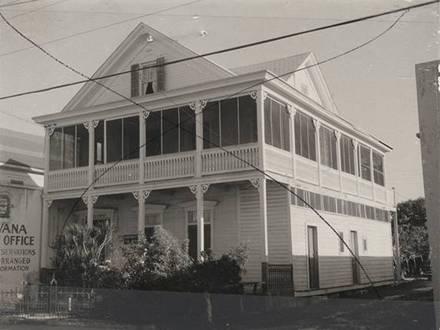
Here is a photo of Charles F. DuPont’s house at 725 Duval Street, taken on December, 1967;
the house has since been demolished and a large antique store stands there now. He lived here from before 1900 until his passing in 1938; the 1900 Census describes him as the “Landlord,” owner.
Rome and Amanda DuPont lived there as “renters,” along with Charles’s 4 children and an “adopted” daughter, Chussie or Jessie. He rented out some of its many rooms. Duval Street is the main commercial artery of Key West, and the house sat on the corner of Duval and Petronia Streets,
about a block and half from where Baldomero and Fanny DuPont Cherot and their family lived in 1900, and nearby his uncle James's store.
|
|
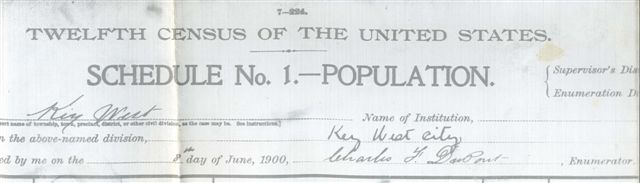
Charles DuPont's signature as it appeared on the 1900 census when he was its Numerator.
|
Charles Dupont was still active in community affairs after he was no longer sheriff. He was the numerator of the 1900 census for Monroe County, and as a progressive, he also founded
the local chapter of the NAACP in 1911, two years after the movement began. His granddaughter Helene Hudgins remembers him as a taciturn and dignified man when she met him in the early thirties as a young girl: "He was the sheriff!"
|
|
|
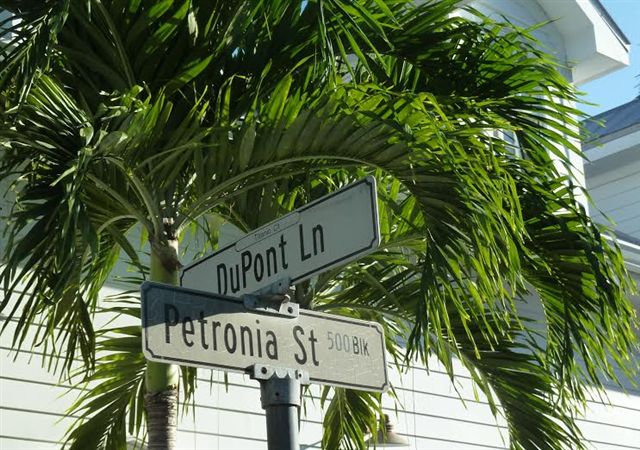
The corner of DuPont Lane and the 500 block of Petronia Street in Key West, Florida.
|
DuPont Lane, named after Sheriff DuPont, crosses the 500 block of Petronia Street, a block away from where his sister Fanny DuPont Cherot and her husband Baldomaro Cherot raised their family according to the 1900 census.
"Titanic Court" is above the street name. It may be that the lane was named after the Titanic around 1912 before it was named after DuPont. This is a small street behind DuPont's house.
BRANCHES
First Cousins
| |
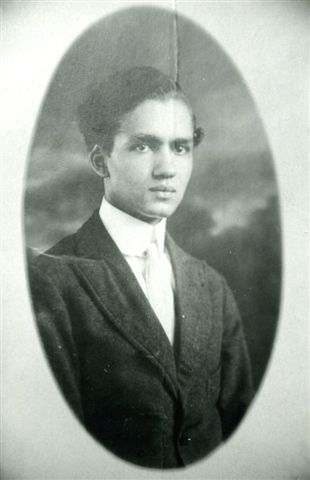
Adolph Cherot Sr., circa 1915
Fanny DuPont Cherot's son
|
|
|
|
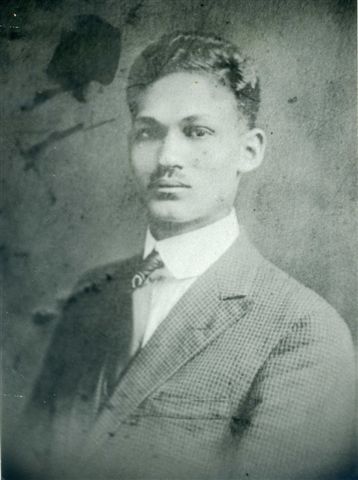
DuPont's son Charles Romeo DuPont, circa 1915
|
MARY MILLER
MATRIARCH OF THE SHACKELFORD FAMILY
Born in Virginia, slave on the James R. Baker Plantation in Central Missouri. Mother of 15 children with the surnames of Shackleford, Miller, or Baker, including Amanda, Elizabeth, Thornton, Emily, James, Elice, and Caroline. She married Lawrence Miller in Boone County in 1866.
| |
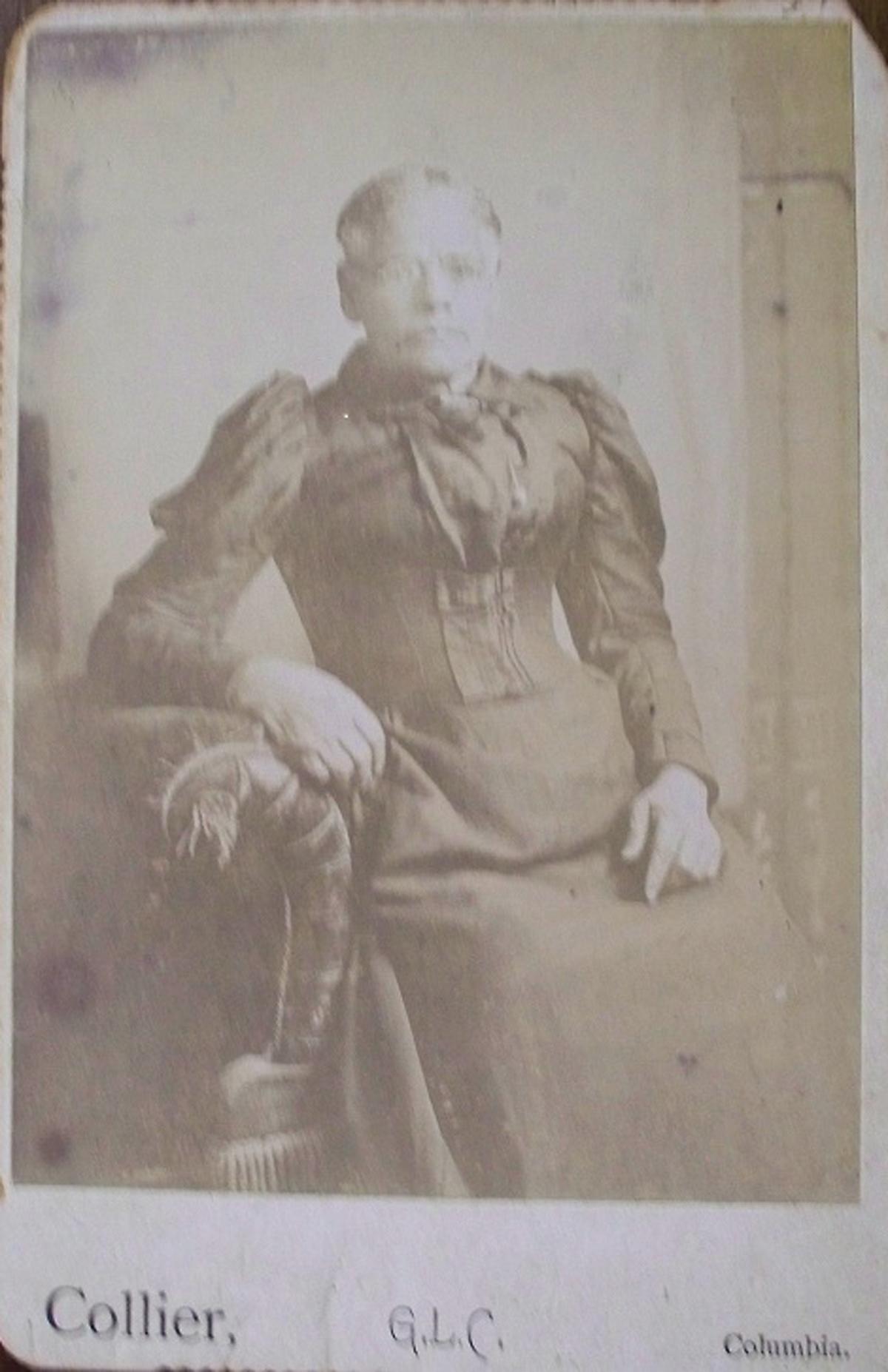
Mary Ann Miller (nee Edwards?), Charles DuPont's grandmother, who was born a slave in Virginia and later was moved to Missouri.
|
|
|
|
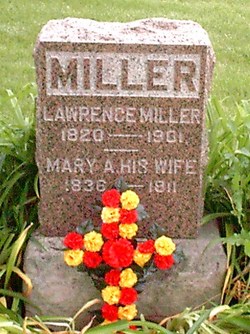
She is buried with her second husband Lawrence Miller. The tombstone's dates of birth and death for her are wrong, which happens quite frequently! It should read Nov., 1827 Death: May 1, 1911
Burial:
Columbia Cemetery
Columbia,
Boone County
Missouri, USA
|
IS THIS THE SAME PERSON?
Let's hear your opinion!
| |
Fannie Elizabeth Dupont Cherot.
|
|
|
|

Could this be Fanny some time later?
|
We don’t know when the photo of Fanny was taken, but judging by her clothes and apparent age, it was probably taken around 1900, when she was almost 30. She passed away probably before 1920, because the 1920 Census shows her youngest child, Thornton, to be living with his father at age 10. She was a victim of a mugging in Philadelphia,
and her remains were not in the Key West Cemetery. If that’s Fanny on the right, then only about 20 years could have passed. The woman on the right isn’t wearing glasses. Who else could it be? Della DuPont, Rome’s sister? She was born in 1840, and there was a Della DuPont Douglas, a widow, who moved to Key West from Tampa, where Rome grew up and Charles was born.
The photo is similar to the one of Baldomero Cherot with the palm trees in the background, but he was about 5 years older than Fanny, and if they were taken at the same time and place, he looks much younger than her. This shows the importance of labeling photos even if you think it’s obvious who someone is. After three generations,
there are questions about who the individual on the right is. If she is Fanny she has aged considerably in 20 years, yet it’s hard to tell how an individual may age; your thoughts?
contact:info@thenewtimesholler.com
Well, this is as far up this branch of the tree as I can get now. I'd like to resolve questions that the known facts ask about Romeo DuPont's origins. If Aunt Nay is correct, and she was on other details, then he had "papers" when he married her grandmother; what was he doing in Missouri at the time?
From what the 1880 census says, Charles DuPont Sr. was born in September, 3, 1861, so his parents were married at least as far back as 1860, maybe earlier. Reaching for the known to get to the intangibles!
A note on cousin Derrick. About ten years ago, I put out a search on a genealogy site asking for information about the Amanda Shackelford or Shackleford and that name in Missouri. About 5-6 years later I received an Email from Derrick, introducing himself as a descendant of Amanda Shackleford's sister, Elizabeth. He'd been doing extensive research on the family tree, and
we began to exchange information, photographs and documents since then. There is so much information available, and there are even more connections that we have with people, both living and those who have passed on.
RECOMMENDED READING
I highly recommend
MY CONFEDERATE ANCESTORS by Thulani Davis. This tightly researched yet dramatic family history traces the author's confederate roots. But that's just the surface; this is an unusual story of a bond that transcended the virulent racism of the reconstruction era in Missouri.
Davis went back in time to uncover the love between her confederate great-grandfather and her freedwoman great-grandmother after slavery and during Jim Crow. Quite a unique story, and one that illustrates the variety of experiences that people had during and after slavery.
|
|
|
|
|